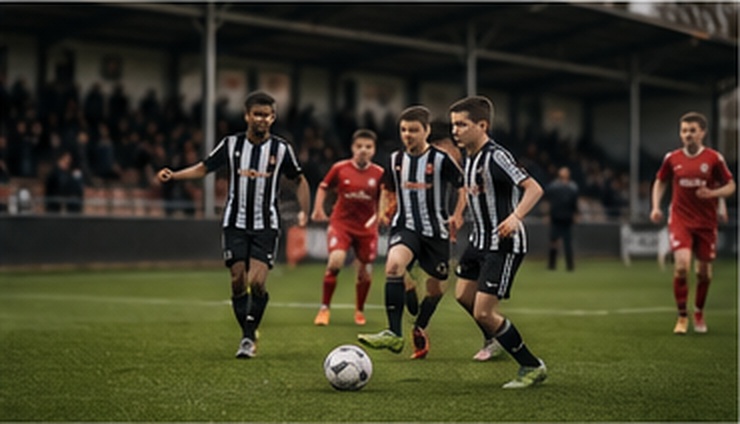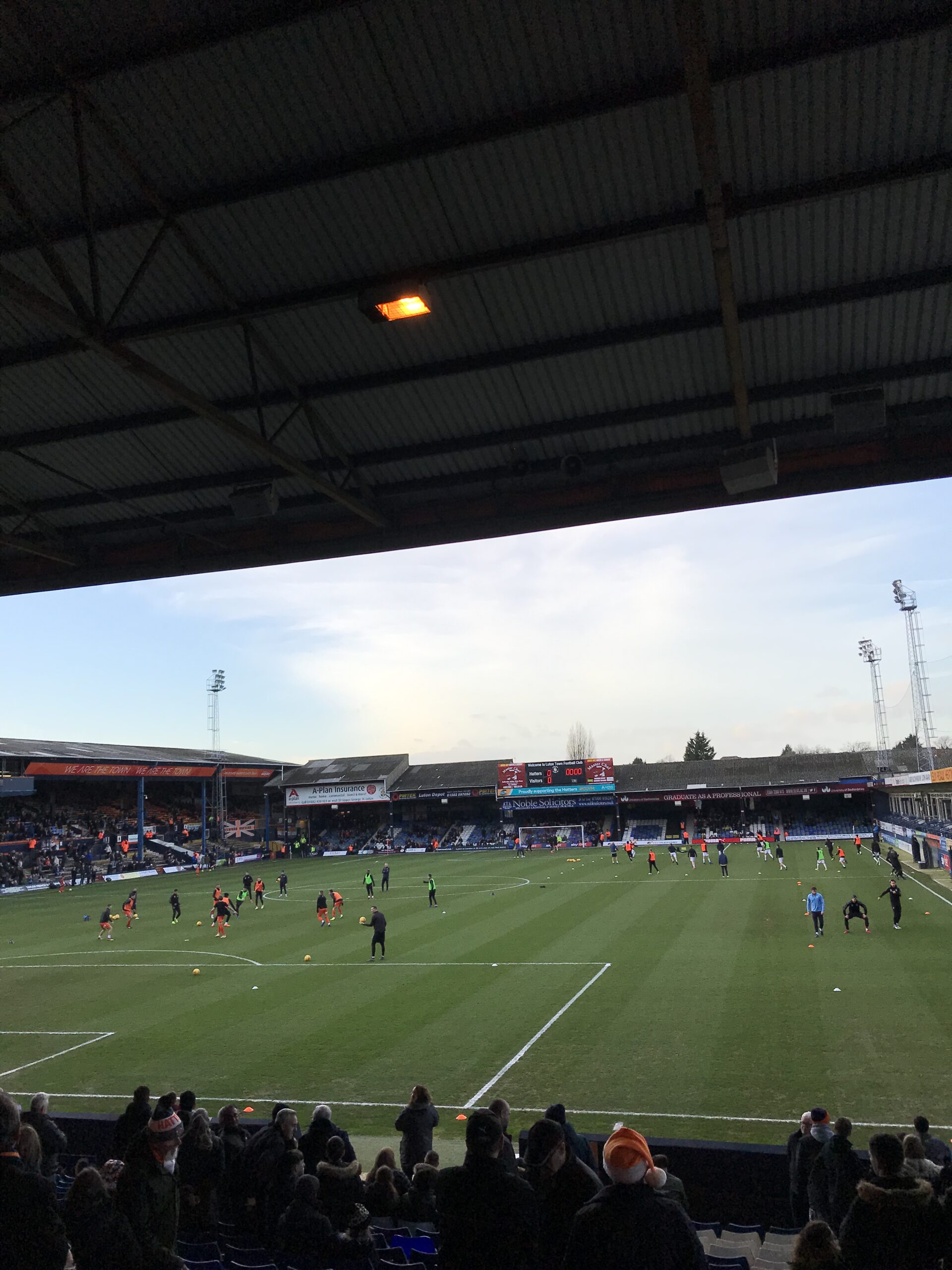
Supporting Your Child Through Setbacks On The Pitch
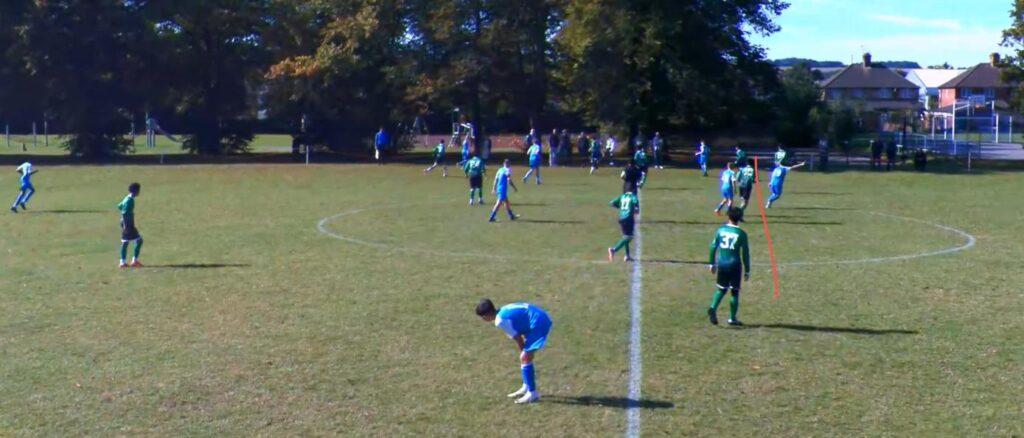
A bad game, an injury, or being dropped from the starting eleven can feel huge to a young player. Here’s

I’m Coach Mujahid, a football coach with 10 years of experience developing players technically and tactically at Luton United and Luton Jets currently completing my UEFA B qualification, expected by August 2026. It’s not about what you’re given it’s about what you do with it.
Currently Qualifying
I’m Mujahid Zaman, known as Muj. I’m a grassroots football coach with over a decade of experience helping players grow both technically and tactically. I’m currently working toward my UEFA B licence. I’ve coached with Luton United and Luton Jets, developing players skills on the ball and sharpening their understanding of the game.
My primary motivation has always been to give players in my local community the chance to grow not just as footballers, but as people. Football has shaped my own character in ways I carry with me every day, and I want to help create those same memories and lessons for the players I coach.
My message to every player is simple: be the best you can be with what you have available, whether that’s limited talent or limited resources. It’s not about what you’re given — it’s about what you do with it.
A path shaped by setbacks, recovery, and a refusal to stop learning the game.
I started playing competitive grassroots football for Lewsey FC. Looking back, that was the beginning of some unforgettable football memories, and my first taste of what it feels like to have a coach who makes you feel valued and helps you improve as both a footballer and a person. That feeling has stayed with me ever since.
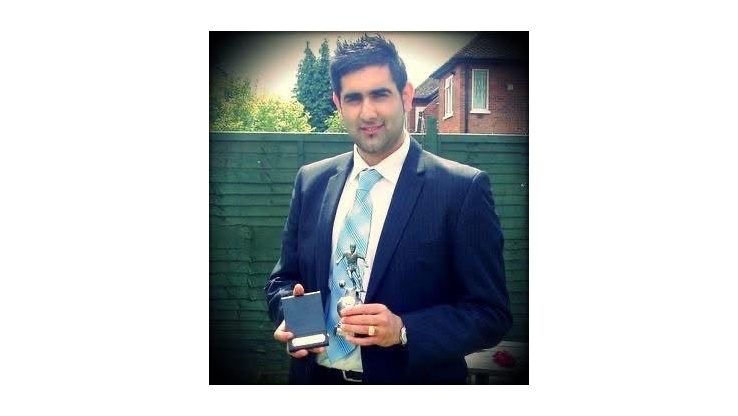
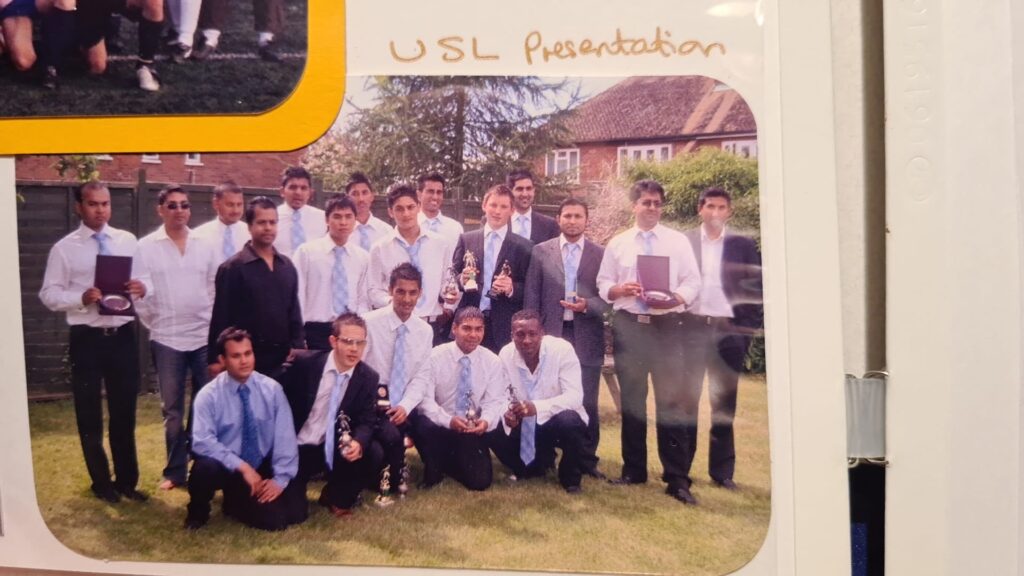
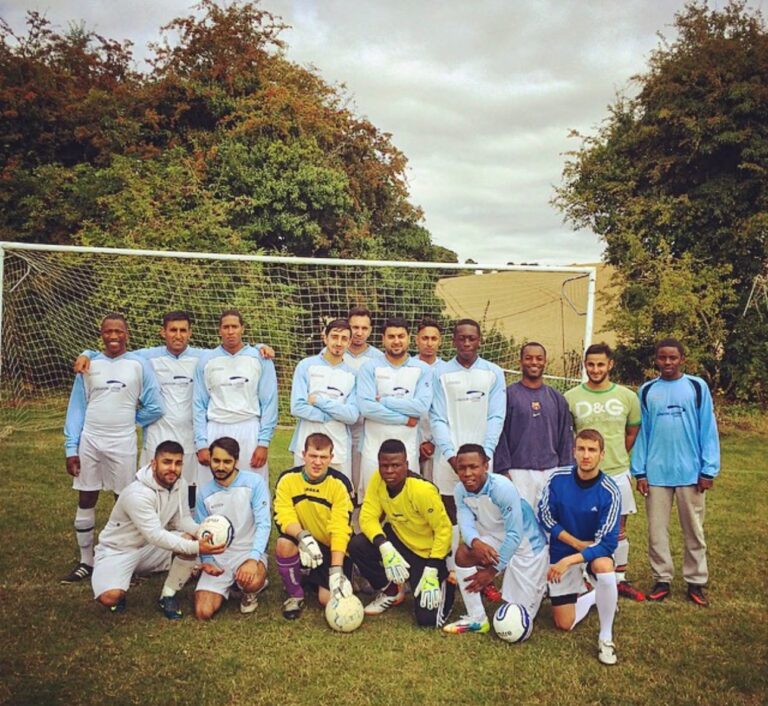
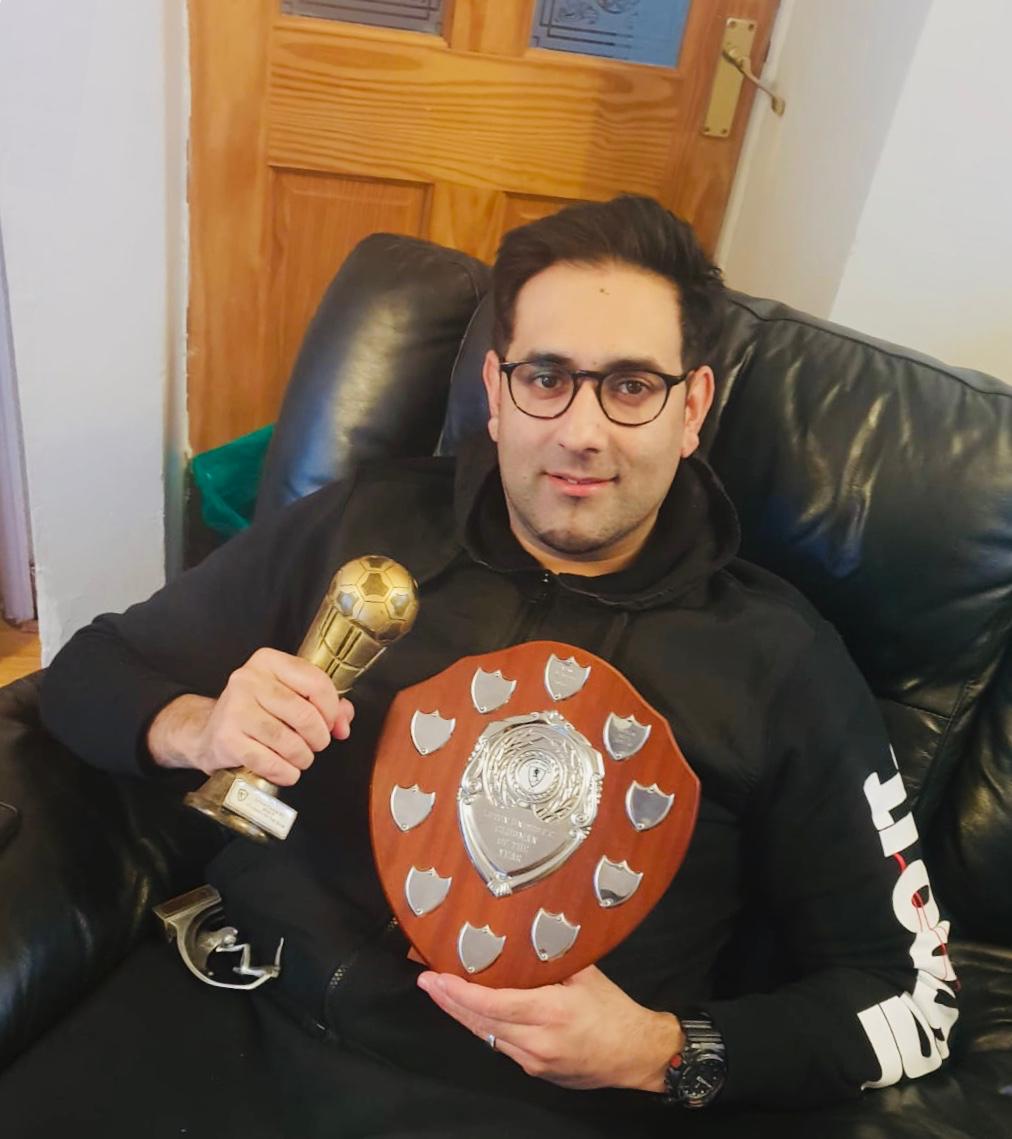
Started playing Sunday League football for United Sporting Luton. This was my first taste of grassroots as an adult game, up against grown men who fancied themselves the Maldinis and Vieiras of the local scene. My resilience and strong mental attitude let me compete with them from a young age, and those same attributes are what helped me overcome the challenges I faced later in life. My proudest achievements from that time: we won the County Cup, and I was named Player of the Season.

I continued playing for USL until the club dissolved in 2009. A group of us who were passionate about carrying on our journey came together and formed Luton Phoenix FC. The name and the logo said it all: a phoenix rising from the ashes, a symbol of the resilience we had to keep playing and to build a platform where players could compete, make friends, and create memories that last.
After a brief pause from grassroots football to focus on my career and, ultimately, on my duties as a parent, I returned to the game and got back to playing football with my friends.
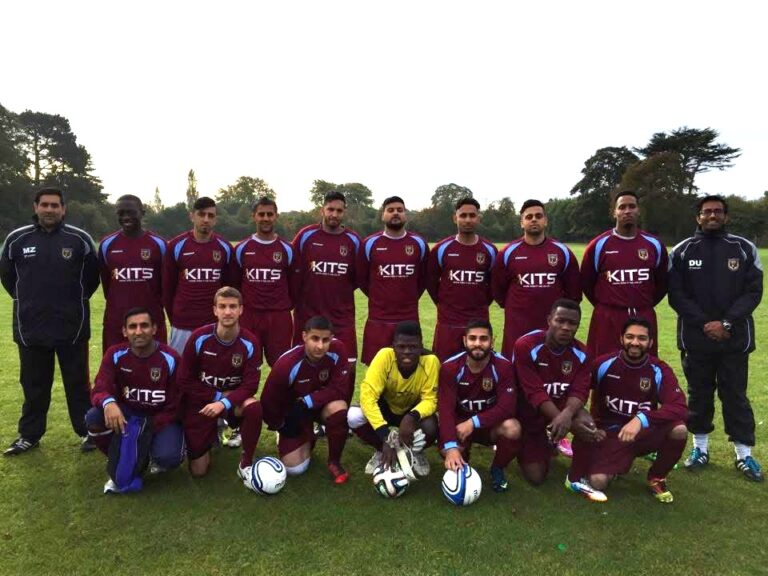
Began coaching at Luton Phoenix — the team was promoted to Division 2 in my first season as coach.

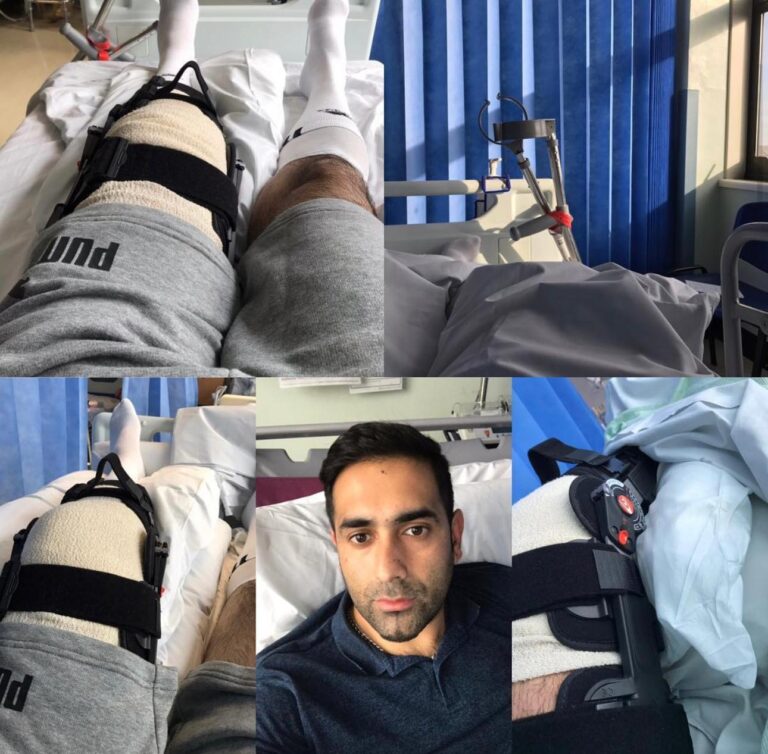
2014 was the year my life, and my whole outlook on it, changed. I suffered a catastrophic injury after colliding with a goalpost during a match. I was hospitalised for twelve months, and went through multiple operations, nine so far, each followed by its own complications.
For a long time, I hated the beautiful game I'd loved since I was young, from kicking a ball around the park to playing competitively. I didn't watch it, I didn't want to listen to it, and if anyone brought it up, I'd switch off.
But it was resilience, a positive mental attitude, and the support of my family and friends that pulled me through. In time, I realised I wanted to give my sons the chance to build the same memories I'd had, playing football with their friends.
A further year recovering at home. Realising how much of my son's football journey I'd missed, I slowly started returning to training and matches and, little by little, rediscovered the passion for football I thought I'd buried.
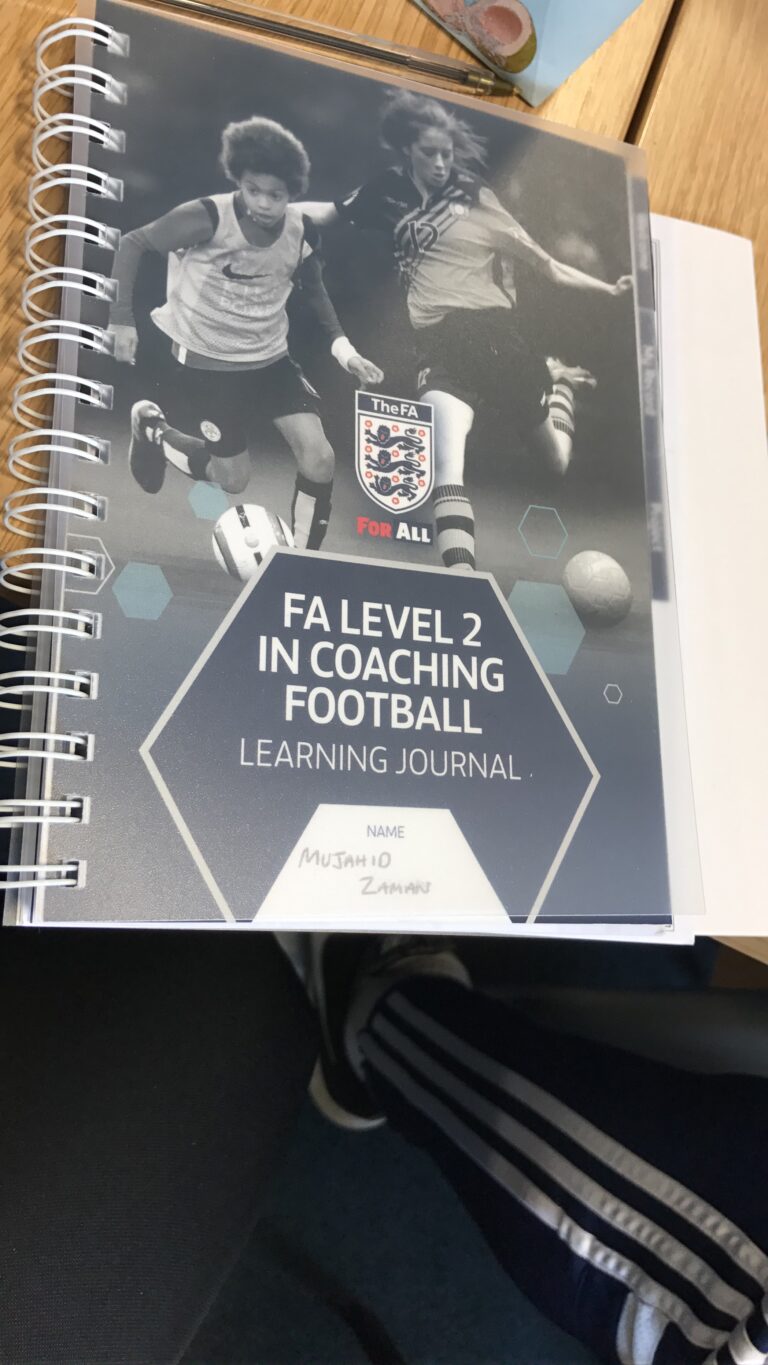
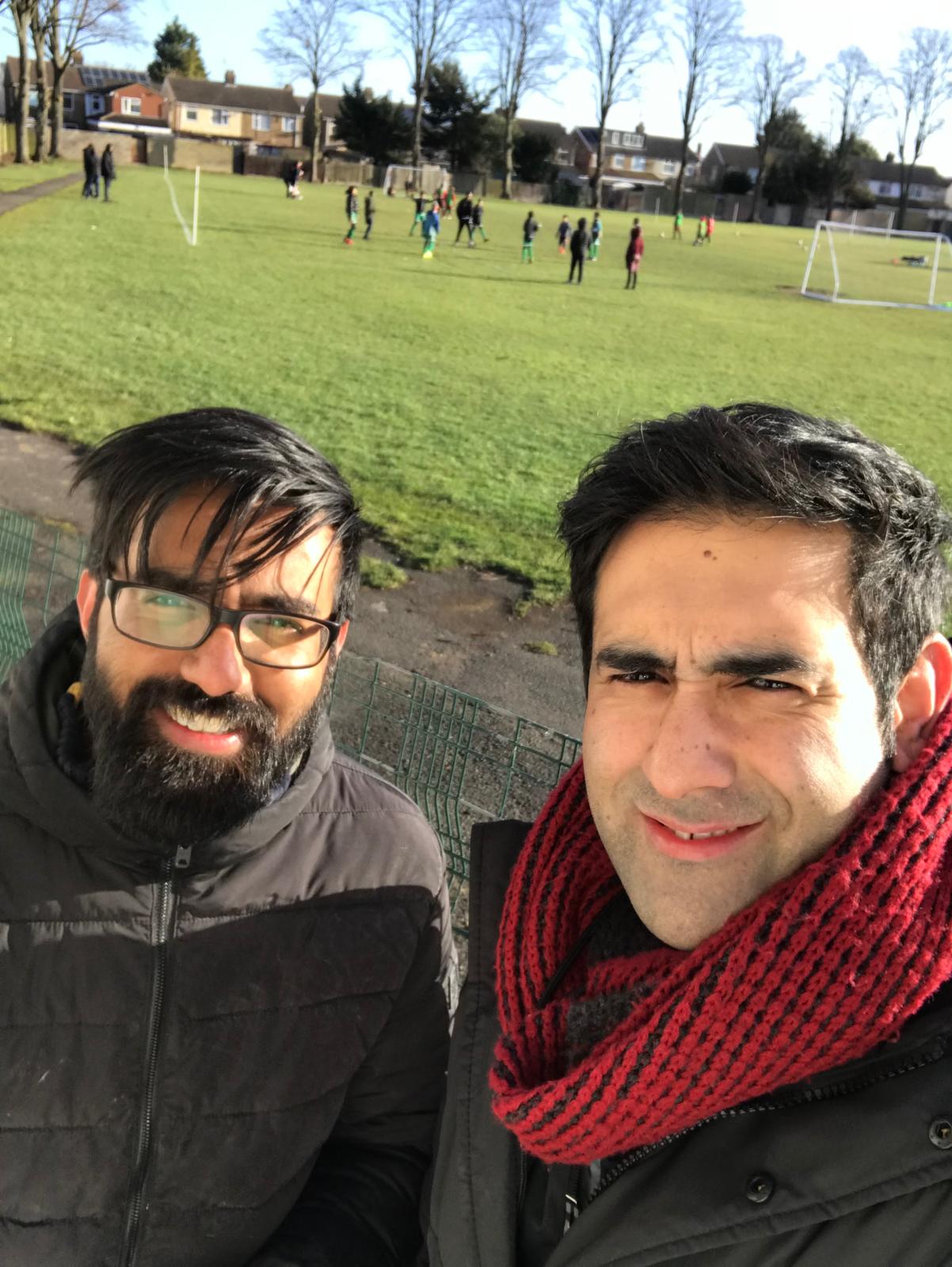
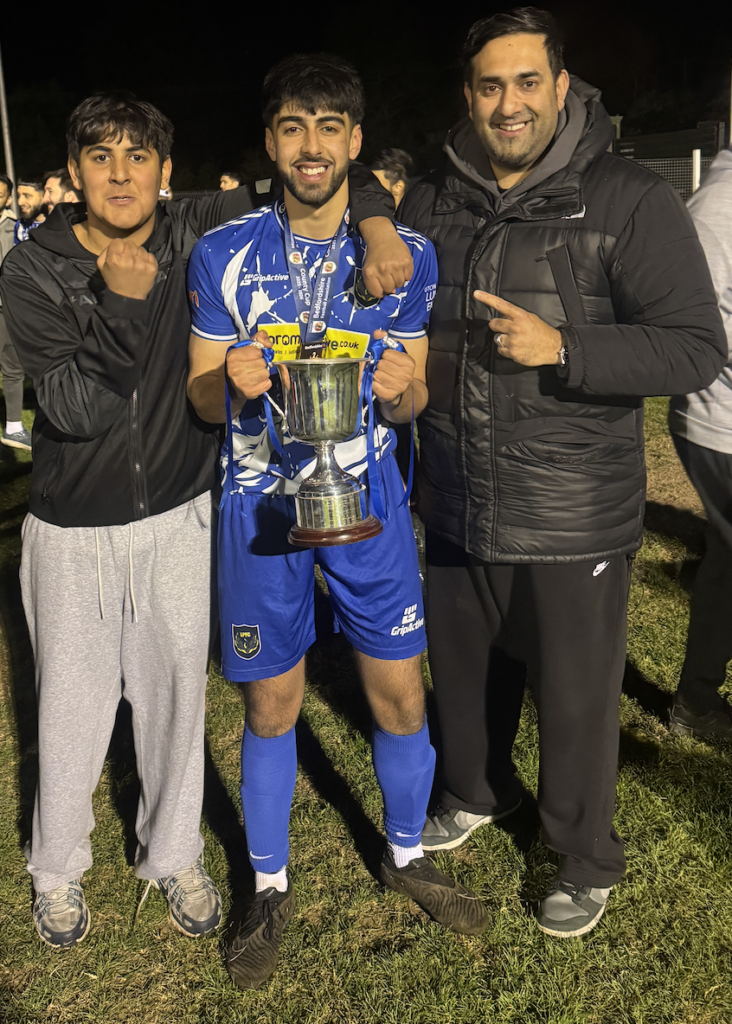
My best friend Duhaj encouraged me to help out at Luton United, the club my son played for. That year I completed my FA Level 1, and I loved every minute of it. From there I went on to the UEFA C course, which gave me real insight into the technical side of the game and left me longing for more. The coach educators inspired me to keep going on my coaching journey and to get a step closer to the professional game.
applied for the UEFA B course in 2020, but I was unsuccessful. At first it felt like a real setback, but on reflection I chose to see it differently. The feedback wasn't a closed door, it was a signpost telling me I needed more experience in the 11-a-side game and more time to embed the learning from my Level 2. Rather than take the rejection personally, I treated it as part of the journey, a chance to grow, sharpen my coaching and come back stronger. When I reapply, I'll do it ready, with the experience to back it up.
Covid set my coaching education back two years, and a further year working abroad extended the pause.
I reapplied for my UEFA B course with renewed passion, determination and a lot more experience behind me. This time, I was accepted.
Started my UEFA B course. An amazing experience so far — the focus on individual tactics, functional training, and technical detail has added a whole new layer to my coaching.
Hoping to pass my UEFA B and give back to the grassroots community that shaped me as a coach — and eventually, to work and coach abroad to broaden my understanding of the global game I love.

Developing players sharpen their skills on the ball. First touch, close control, and confidence in possession, so they can express themselves even when the pressure is on.

Helping players develop a deeper understanding of the tactical side of the game, so they know not just what to do, but why they're doing it.

Football shaped who I am in ways I still carry with me every day. Now I want to help build those same memories and lessons in every player I coach.
Every player who steps onto the pitch with me hears the same message, whatever their starting point.
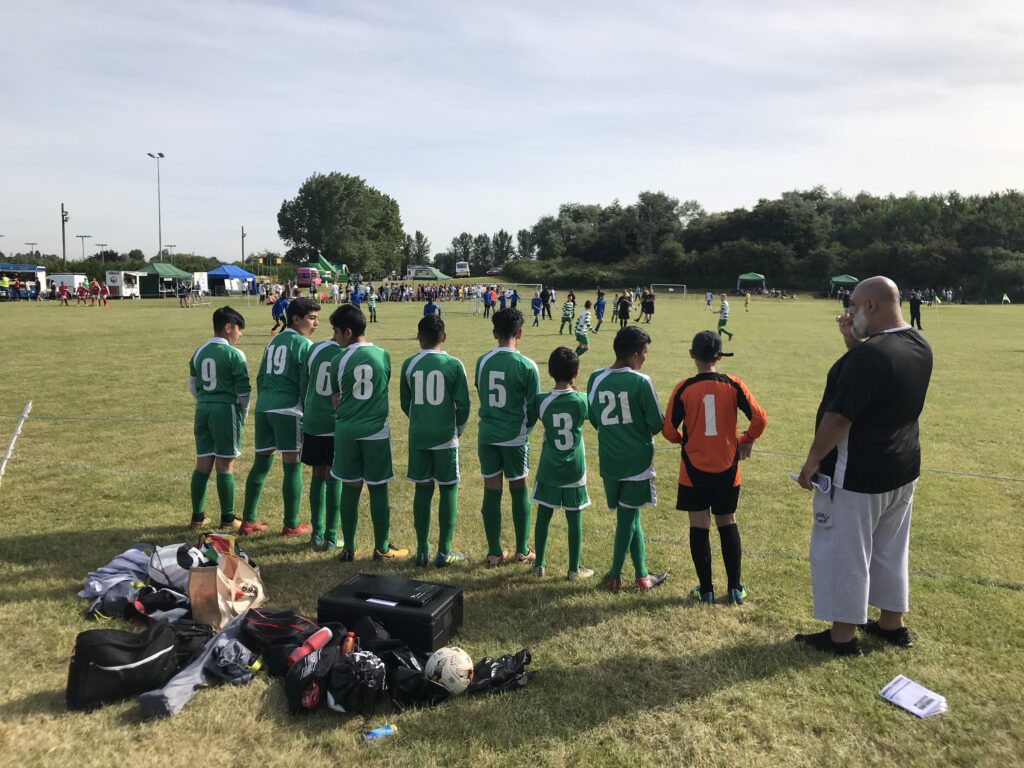
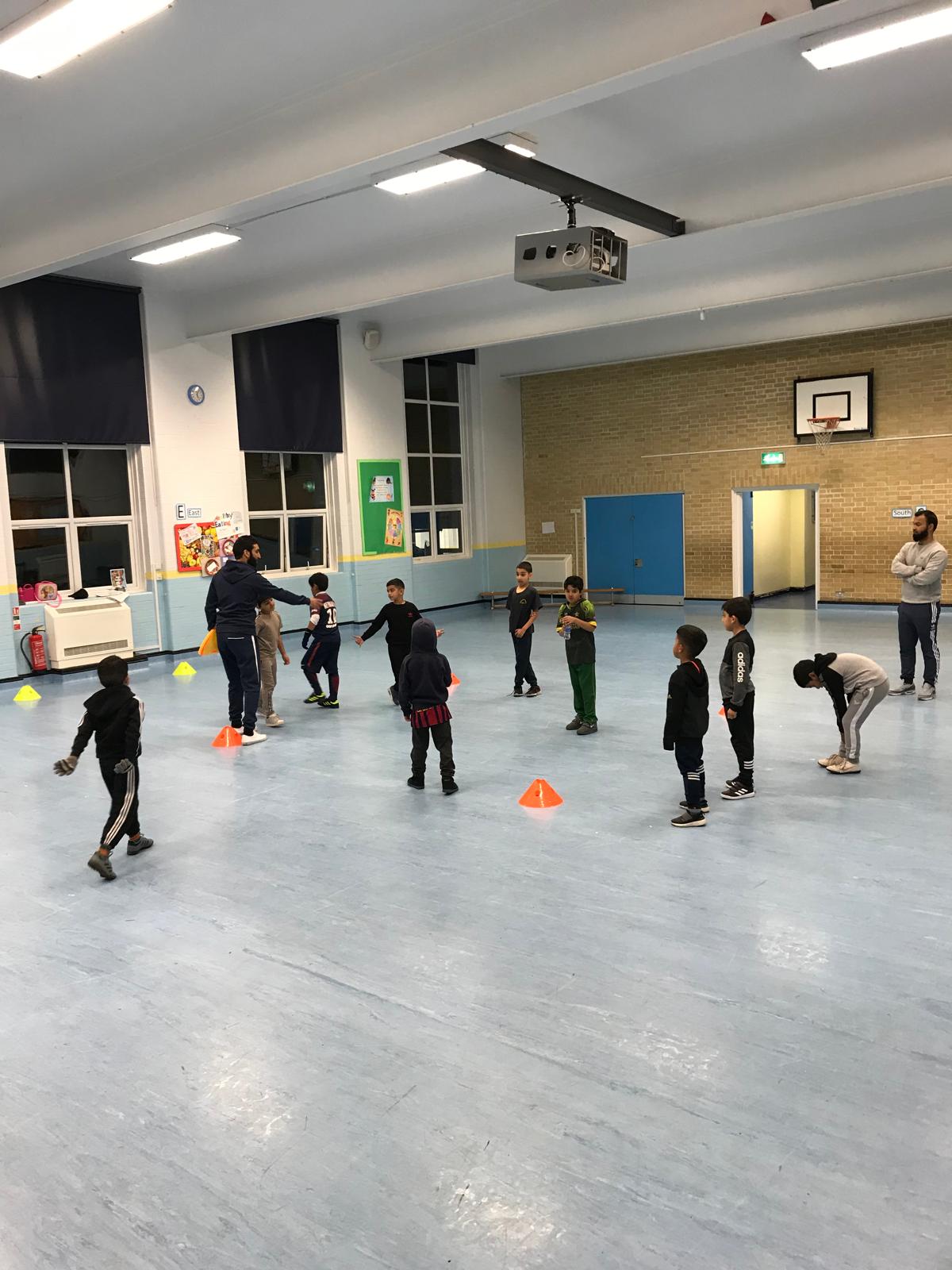
Our players want to play football, but real barriers have limited their chances. As their coach, my job is to look beyond that: helping them become better players, giving them new experiences, memories and providing the structure that’s often missing elsewhere in their lives.
These values weren’t handed down from a manual. They’ve grown out of the time we’ve spent together as a team. For many of our players, their first taste of competitive football came within the last two years, and it shows in how much they want to keep going. Not just for themselves, but so that one day they can come back to help the club grow and open up new opportunities for the players following in their footsteps.
As a club, we want to help our players grow their understanding of both the game and the community around them. Every one of them has bought into two simple ideas that now sit at the heart of everything we do.
For players who’ve faced barriers to the game, we create the opportunity to play, compete, and grow on and off the pitch. Every session is a chance to become a better player, gain a new experience, and build the structure that carries into everyday life.
Respect for teammates, opponents, coaches and the club is what turns a group of individuals into a team. It’s the value that keeps players coming back not just to play, but to give back and help build something for the next generation.
For many of our players, their first taste of competitive football came within the last two years. Their values have grown out of that shared beginning, and it’s why they want to stay involved long after their playing days are over, returning to help the club grow and open doors for the next group coming through.
Success is no accident. It is hard work, perseverance, learning, studying, sacrifice and most of all, love of what you are doing or learning to do.
Luton United Football Club is a community grassroots organisation using football as its main tool to promote participation in physical activity, alongside a wider goal of tackling social issues.
Formed in 1999, the club has focused its activities in the Dallow, Biscot and Saints wards in Luton. Over the years, the club has enabled many young people to develop self-confidence, teamwork, self-responsibility, and the belief to realise their potential.
With the continued support of volunteers, parents and local organisations, the club hopes to build on this success for years to come.
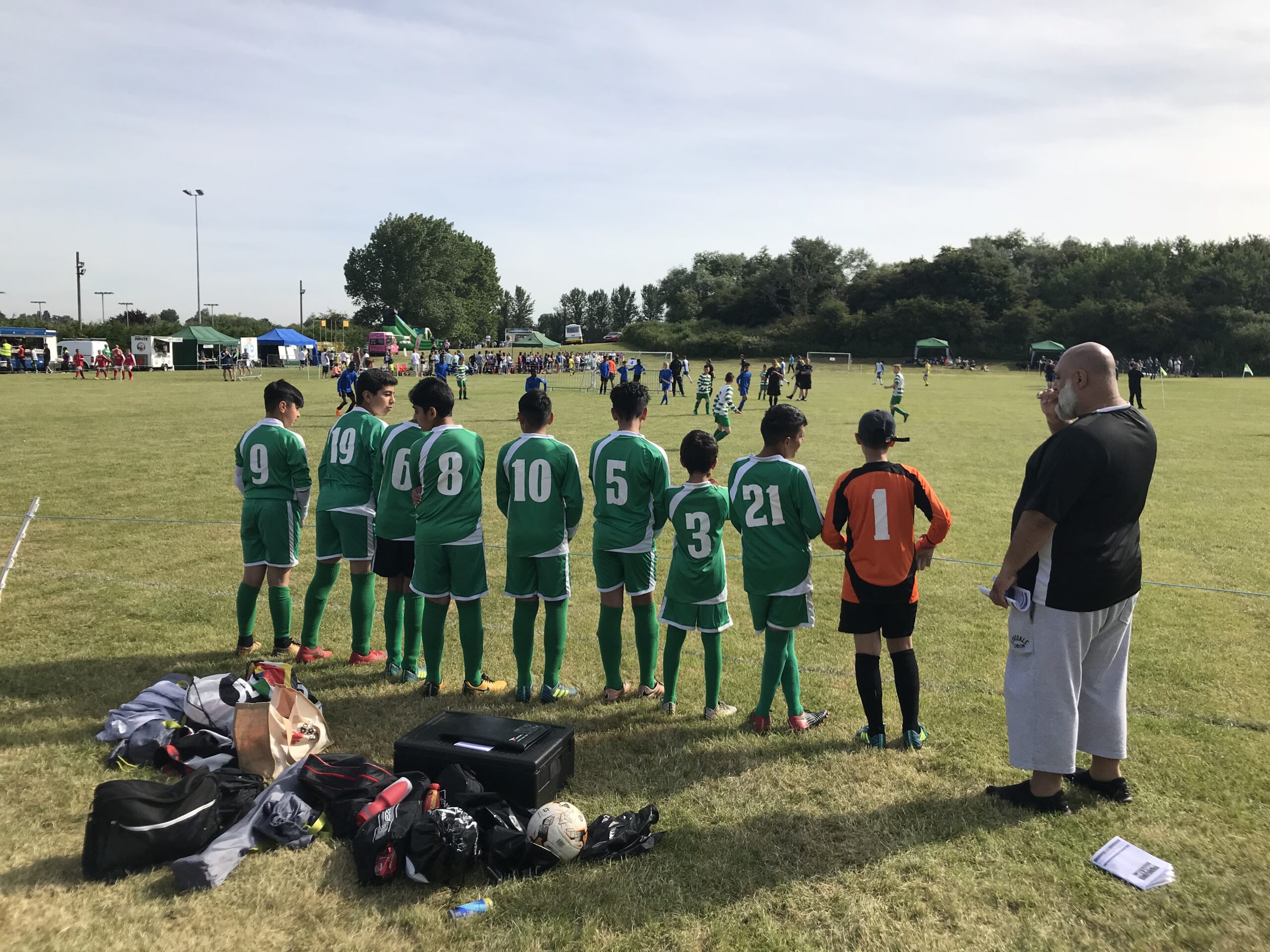
Luton United now runs 10 teams from U7 through to Adults, competing in the CJ7, Bedfordshire Youth and Leighton & District Leagues. The club is an FA Chartered Club and is registered as a charity for the work it does developing young people and running community projects.
Promote community health and well-being amongst all age groups through participation in sports, education, leisure and exercise.
Helping others to become involved and empowered by listening to and understanding what local people want.
Engaging young people in team approaches and in devising positive futures for themselves, whilst diverting them from anti-social behaviour and providing positive pro-social modelling.
Providing full mutual support and seeking community participation and involvement.
The work of the football club is underpinned by the following values.
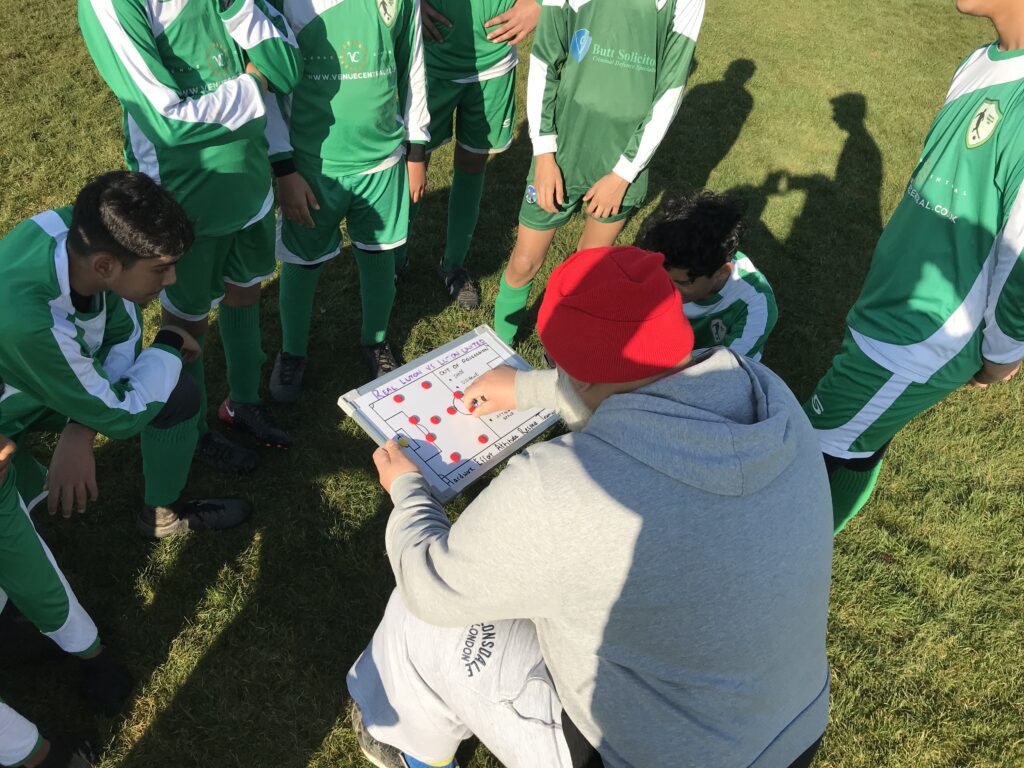
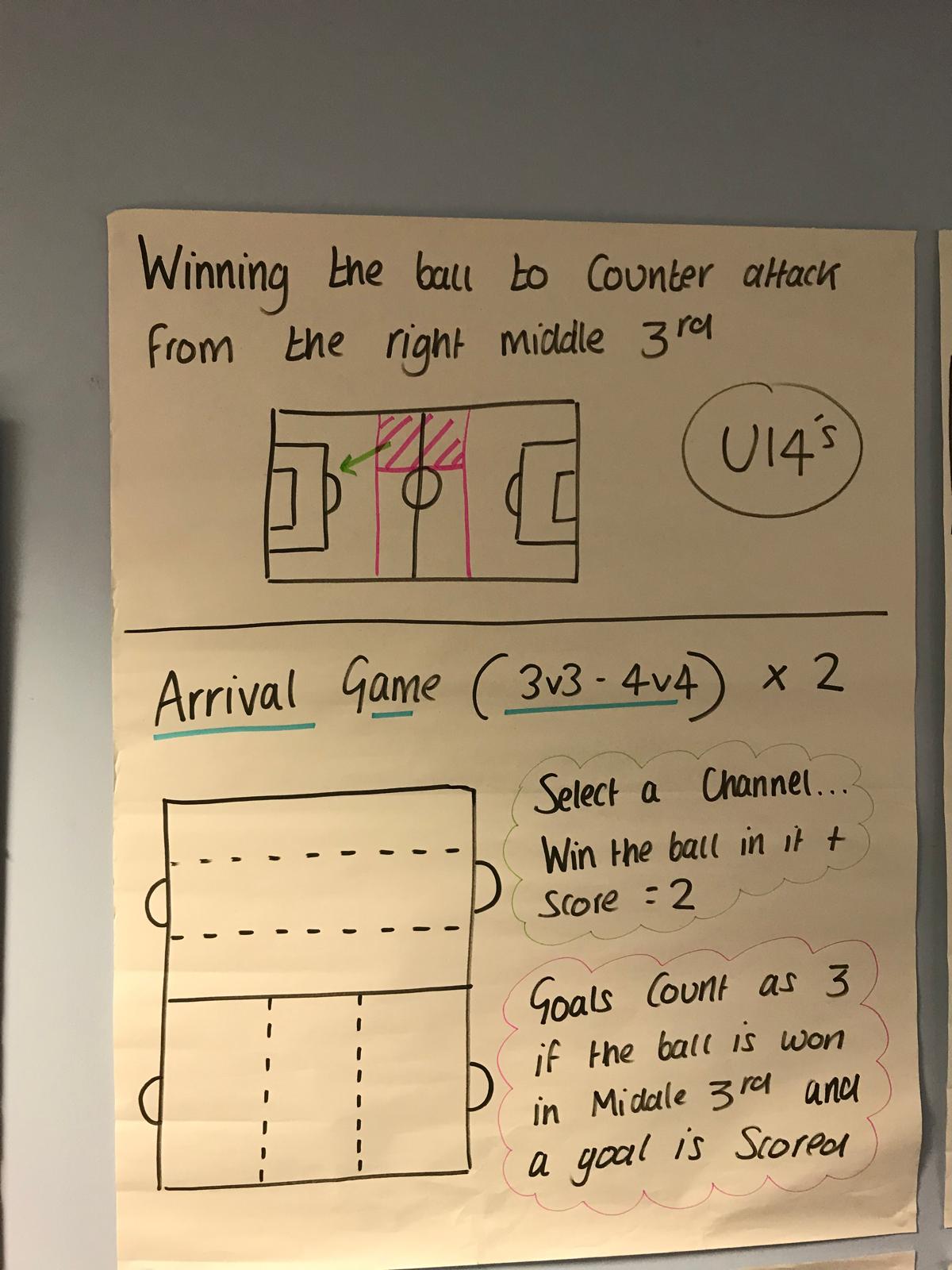
My coaching is built around individual tactics, functional training, and the technical detail that lets players solve problems on the ball, paint pictures and not just follow instructions.
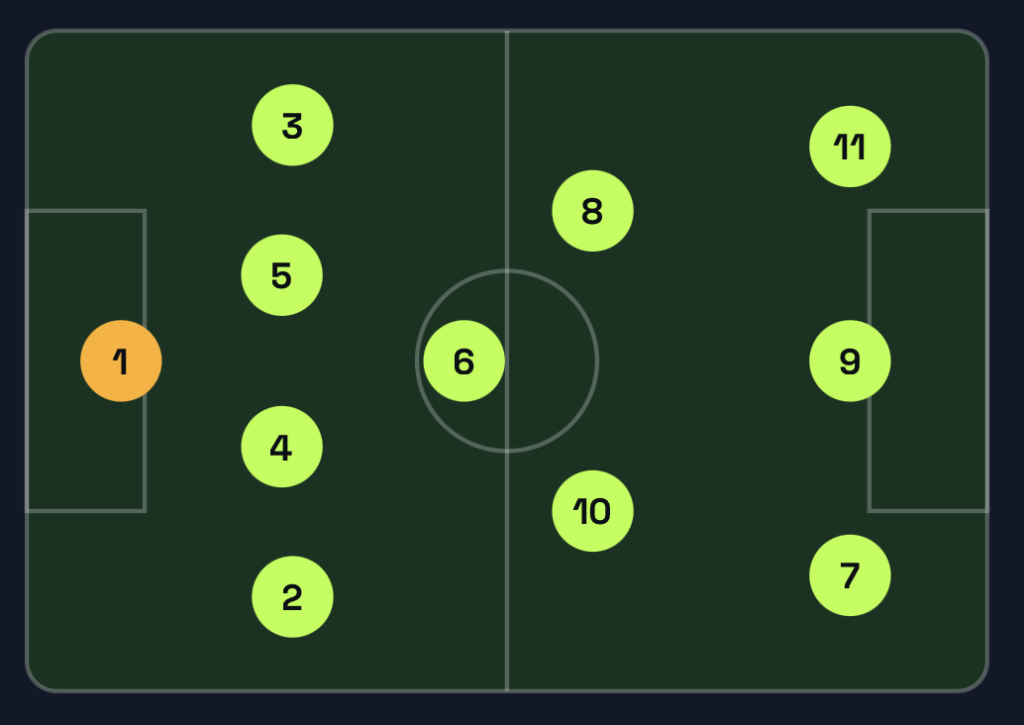
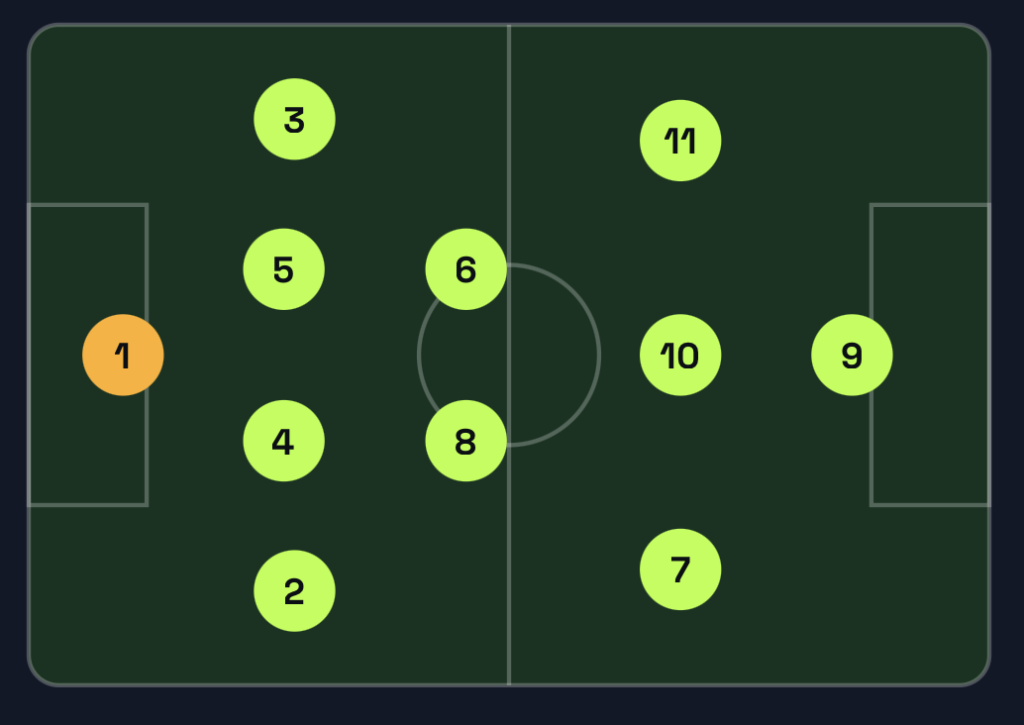
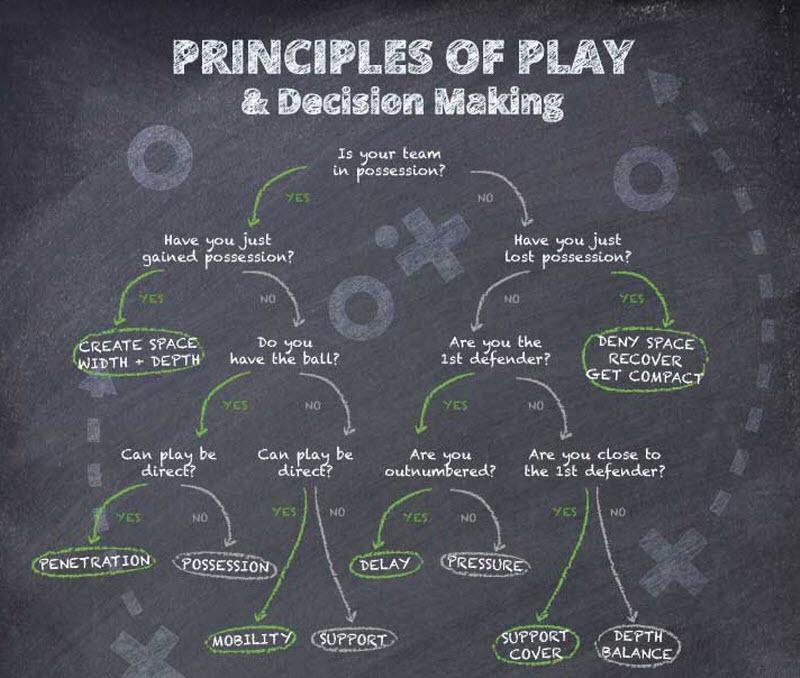
Our game model gives every player a clear picture of what we’re trying to achieve in each phase of play: how we behave with the ball, and how we behave without it.
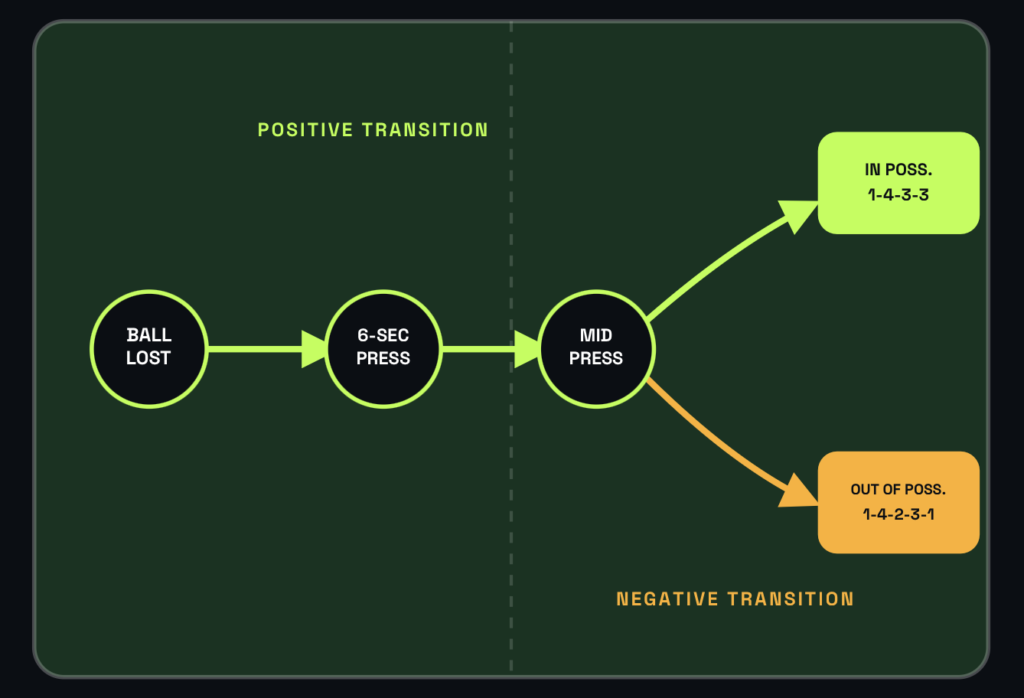
Our style is a compact base with an explosive counter-attack. When we win the ball, we shift from a 1-4-2-3-1 to a 1-4-3-3: the double pivot becomes a single holding six, the ten joins the front line to form a front three, the wingers stretch the pitch, and the full-backs push up to support the attack.
Our game model gives every player a clear picture of what we’re trying to achieve in each phase of play — how we behave with the ball, and how we behave without it.
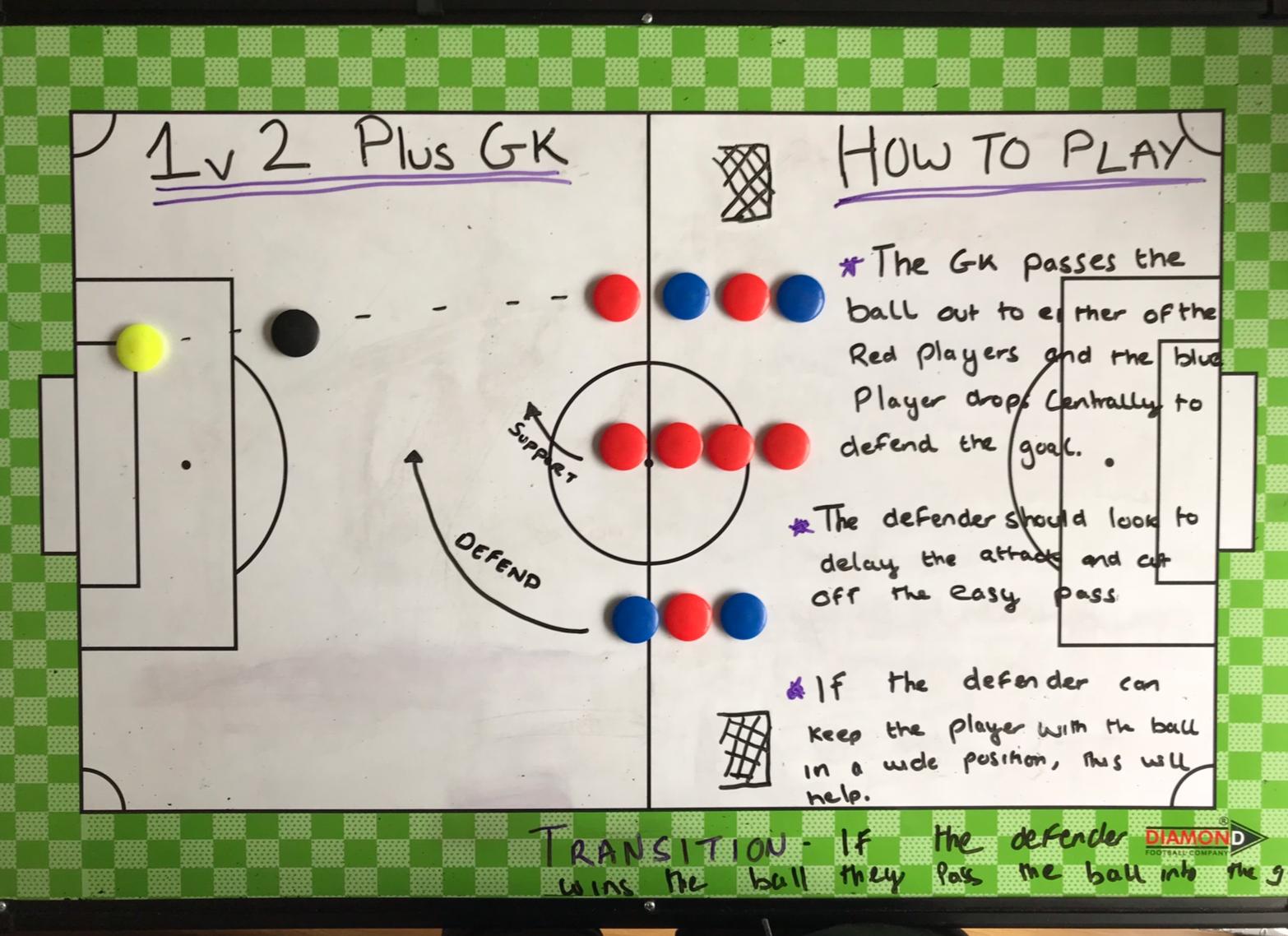
Without the ball, we defend as a unit. Players are coached to press with a clear trigger, screen passing lanes, and delay opposition attacks until support arrives. It’s about disciplined shape, constant communication, and knowing when to engage — not chasing the ball individually.
In our positive transition, we always look to win the ball back within six seconds and play forward. If we can’t, we shift into a mid-press, always working to get back into our In Possession formation. Our negative transition kicks in when those first two triggers don’t win the ball back, at which point we drop into our Out of Possession formation.

Engaging young people through team-based approaches that help them build positive futures, while steering them away from anti-social behaviour.

Getting others involved and empowered by listening to local people and understanding what they really want, whether they're parents, volunteers, or players.

Self-confidence, teamwork and self-responsibility — the same lessons football gave me, passed on to the next generation of players.
Football is the tool — but the goal is always bigger than the game.
Player Profile: Comfortable in tight areas under pressure, secure enough in possession to protect our compact base, and tactically flexible enough to operate as a single or double pivot. Confident carrying the ball to break lines once we win it back.
Player Profile: Repeat high-intensity sprint ability to execute the 6-second counter-press and mid-press triggers, explosive acceleration to exploit space in transition, and the engine to cover ground box-to-box.
Player Profile: Brave enough to press first after losing the ball, disciplined enough to hold defensive shape, and composed enough to build patiently from the back. Quick to reset focus after every transition.
Player Profile: A natural communicator who organises the press and covers for team-mates, buys into the collective structure over individual reward, and lives our values of Creating Opportunity and Respecting Each Other.
We use England’s FA Four Corner Model to look at the whole player, not just what they do on the ball. Here’s the player profile each corner points to if a player is going to fit our game model.
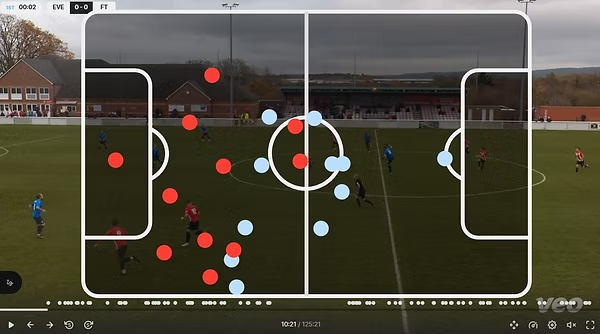
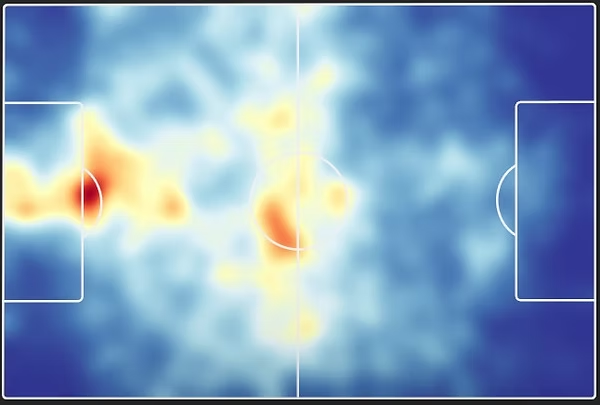
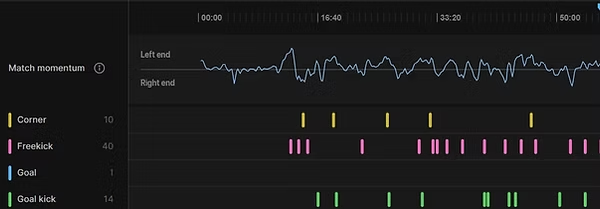
Player development doesn’t stop at full time. My main analytical tool is a VEO camera, which records and analyses our matches automatically, so I can sit down with players afterwards and show them exactly what happened rather than just telling them.
A bird’s-eye view of the match that helps players see shape, spacing and positioning they can’t spot from pitch level.
Shows where a player spent their time across the full match — a clear picture of work-rate and positional discipline.
Breaks down exactly where key moments happened on the pitch, so feedback is specific rather than general.
Full match footage shared with players and parents, used in team meetings to turn moments from the game into lessons for next time.

Understanding how to prepare a team by breaking down the strengths and weaknesses of the opposition.

Using data and video to evaluate individual and team performance objectively, not just on gut feel.

Spotting potential early and understanding what to look for as a player develops
over time.
Part of supporting players well is continuing to develop as a coach. Here are some of the courses I’ve recently completed.
Be the best you can be with what you have available — whether that’s limited talent or limited resources.
The future player I coach towards isn’t defined by natural ability alone. They’re technically sharp, tactically aware, and mentally resilient — shaped by the same values of confidence, teamwork and responsibility that Luton United has built since 1999.
Looking ahead, I’m working towards passing my UEFA B qualification, so I can give even more back to the grassroots community that shaped me, and eventually take that knowledge abroad to broaden my understanding of the global game.
Practical thoughts on technical development, tactics, and supporting young players through the ups and downs of the game.

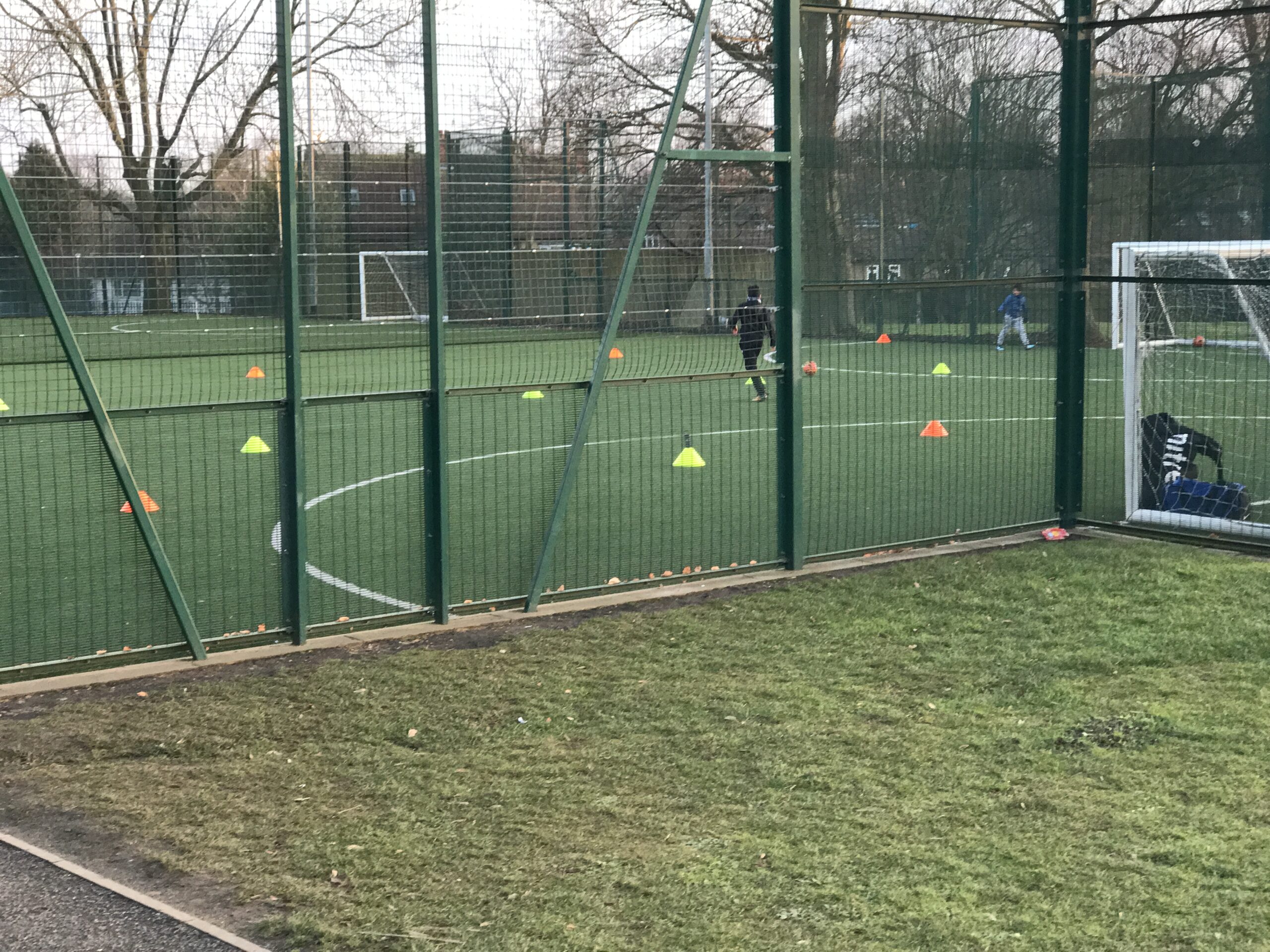
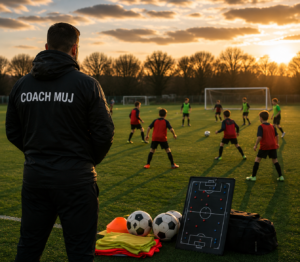
A bad game, an injury, or being dropped from the starting eleven can feel huge to a young player. Here’s

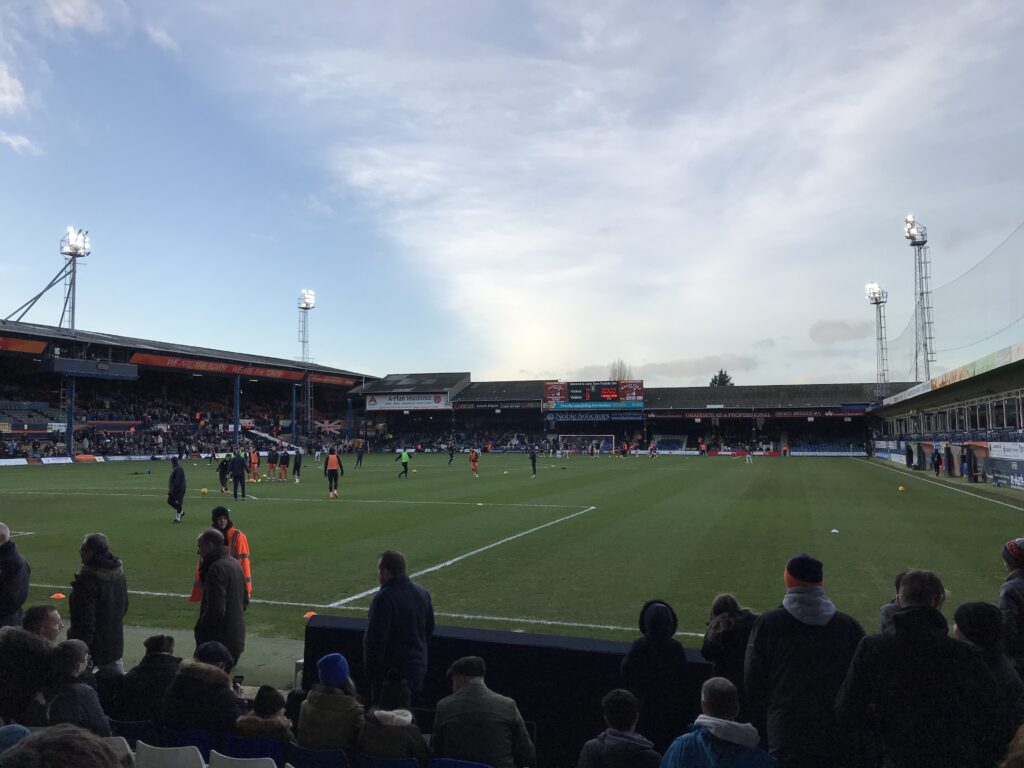
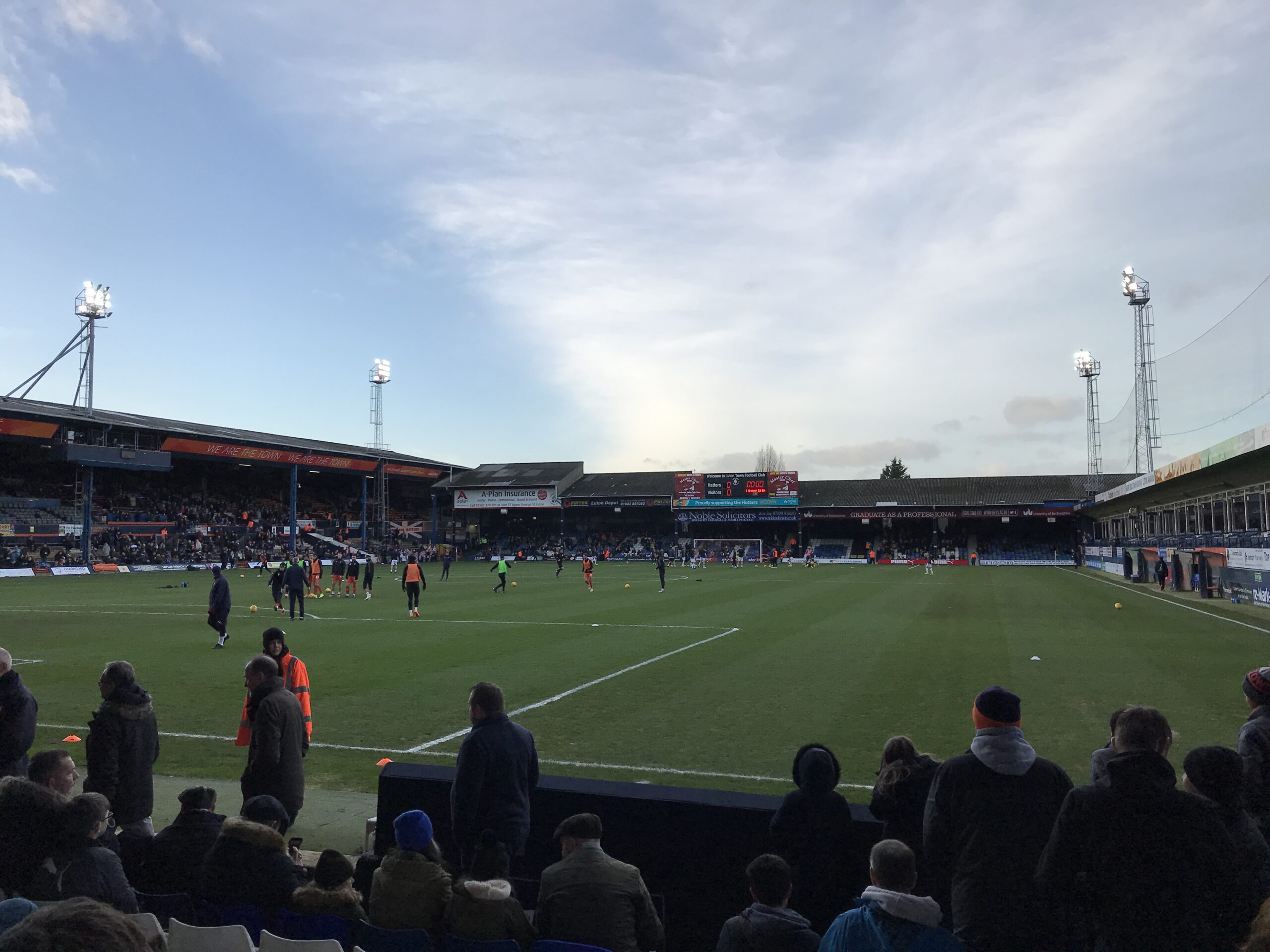
Coaches often over-index on skill moves at a young age. Understanding space, timing and positioning pays off far sooner than
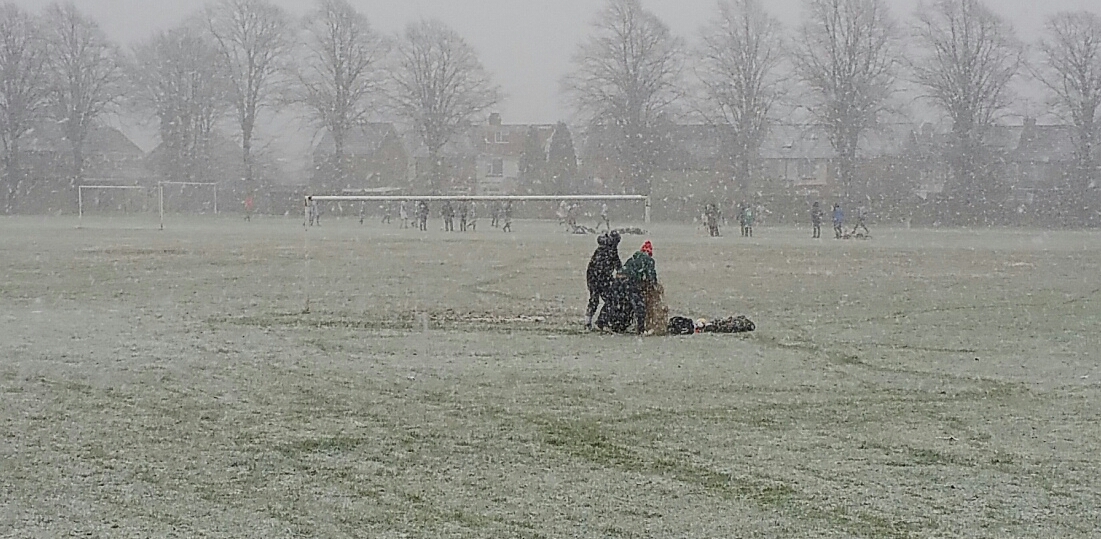
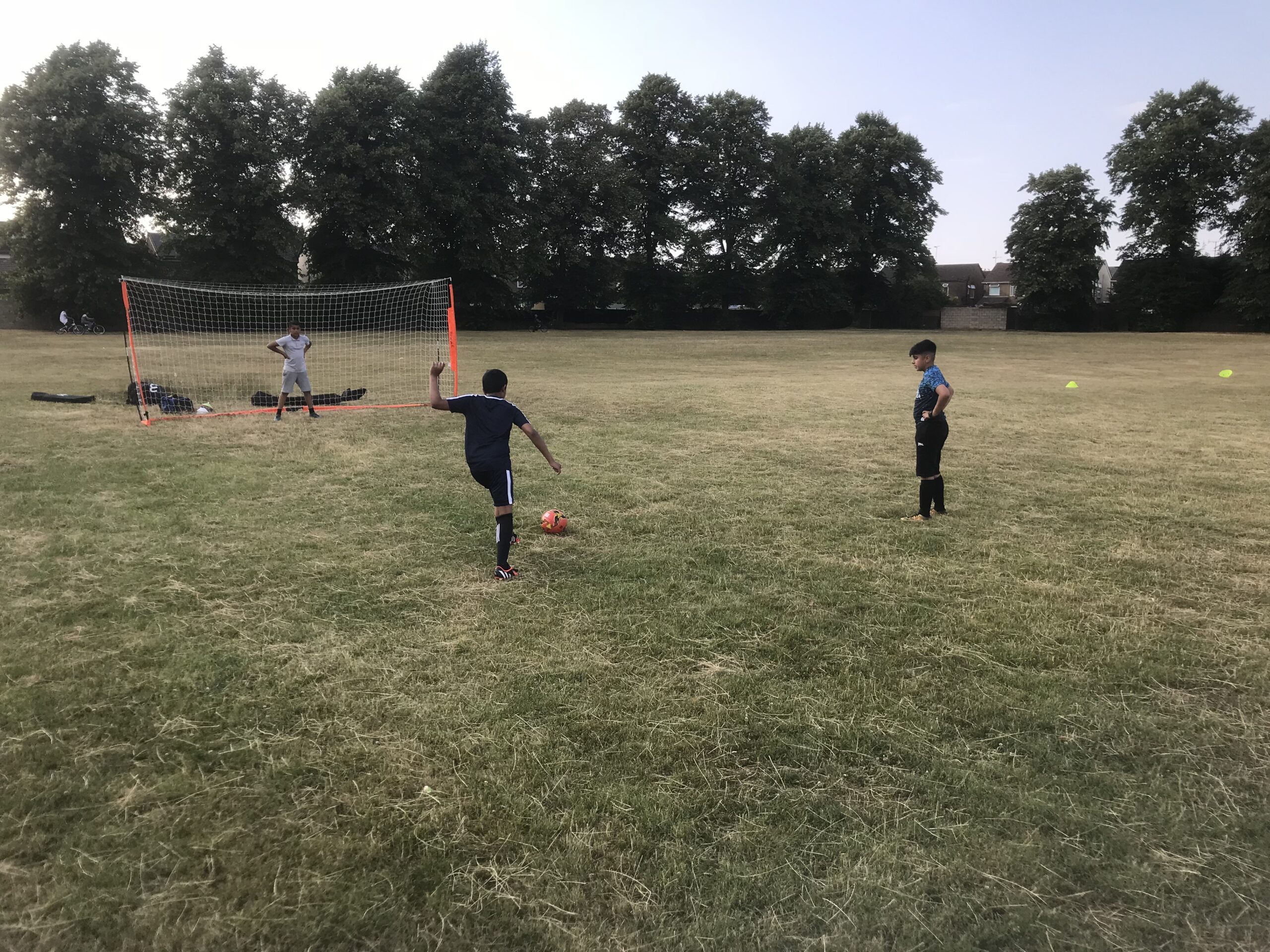
First touch and close control win games at grassroots level more often than raw pace. Here are five simple drills
Whether you’re a player, a parent, or a club looking for coaching support — get in touch and I’ll get back to you within 24 hours.
mujahid.zaman@lutonunitedfc.co.uk
Luton, Bedfordshire, UK
Coaching and player development are based in Luton. Sessions, availability and any costs are discussed directly once I understand what you’re looking for — no pricing is listed here.