How We Play
Player-Centred, Detail-Driven
My coaching is built around individual tactics, functional training, and the technical detail that lets players solve problems on the ball – not just follow instructions.
- Understanding both in-possession and out-of-possession principles, so players read the game rather than react to it.
- Functional training that mirrors real match situations and positional demands.
- Decision-making under pressure - the small margins that separate good players from great ones.
- A style informed by the UEFA B course I'm currently completing, and how the professional game is really coached.
In Possession & Out Of Possession
Our game model gives every player a clear picture of what we’re trying to achieve in each phase of play – how we behave with the ball, and how we behave without it.
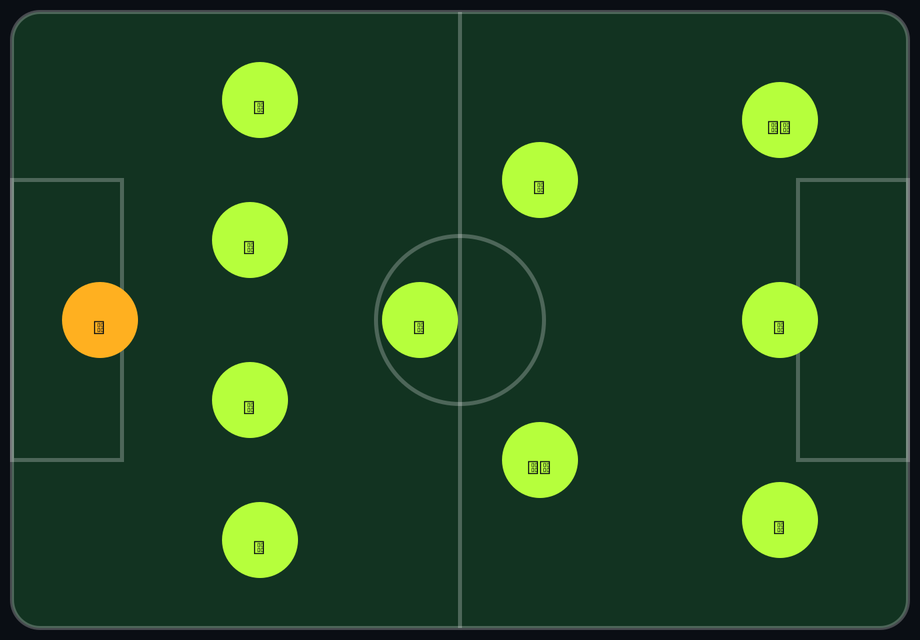
In Possession Formation - 1-4-3-3
Our style of play is a compact base with an explosive counter-attack. When we win the ball, our shape shifts from 1-4-2-3-1 into 1-4-3-3 – the double pivot becomes a single holding six, the ten joins the front line to create a front three, and the wide players stretch the pitch.
Attacking Principles
- Penetration
- Width & depth
- Speed of support
Build & Transition
- Double pivot becomes single 6
- 10 joins front line creating front 3
- Wide players stretch pitch
On Ball Recovery
- First thought forward
- Early vertical pass or forward run
- Support underneath to secure if needed
Out Of Possession Formation - 1-4-2-3-1
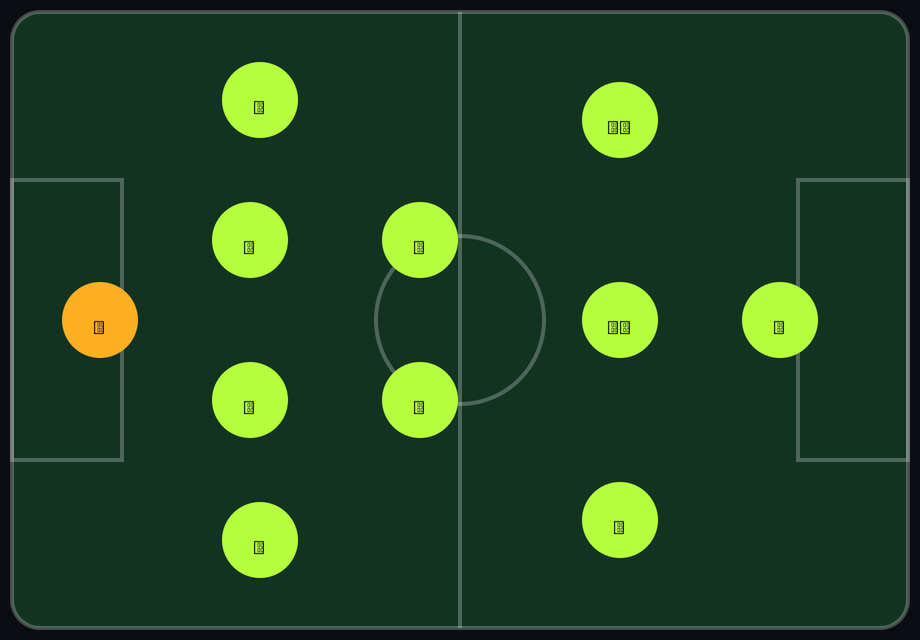
Without the ball, we defend as a unit. Players are coached to press with a clear trigger, screen passing lanes, and delay opposition attacks until support arrives. It’s about disciplined shape, constant communication, and knowing when to engage – not chasing the ball individually.
Defensive Principles
- Compactness between units
- Protect central areas
- Delay & control tempo
- Force play wide
- Secure space behind back line
Pressing Triggers
- Poor first touch
- Back to goal
- Pass into wide channel
Transition
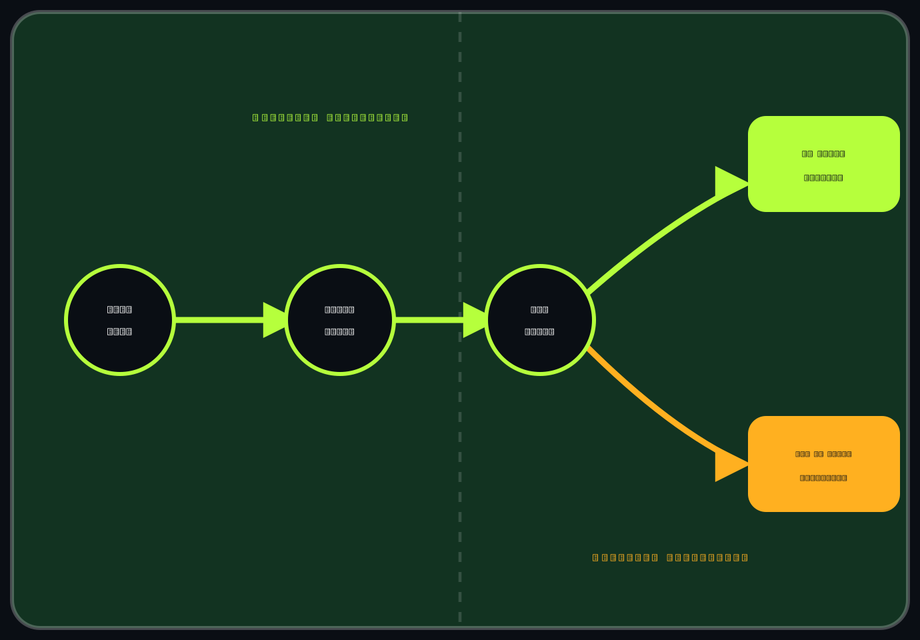
Our positive transition is always to look to win the ball back within 6 seconds and play forward. If we are unable to do that, we look for a mid-press situation – always looking towards getting into our In Possession formation. Our negative transition is if we can’t get the ball back from the first two triggers, in which case we look to get into our Out Of Possession formation.
Positive Transition
- Always look to win the ball back within 6 seconds and play forward
- If unable to do that, look for a mid-press situation
- Always looking towards getting into our In Possession formation
Negative Transition
- If we can't win the ball back from the first two triggers (6-second press, then mid-press)
- We look to get into our Out Of Possession formation